

Managing insurance claims, assessing property damages, and evaluating policy limits can quickly become overwhelming without a structured tracking system. Whether you are an insurance evaluator, a business risk manager, or a policyholder tracking claims, maintaining precise documentation is essential to securing fair compensation and ensuring complete compliance.
Using a standardized insurance coverage report template streamlines the evaluation process, reduces calculation errors, and speeds up claims processing. Below is an overview of why coverage reports are vital, the essential components every template should contain, and best practices for creating a clear, professional report.
What Is an Insurance Coverage Report?
An insurance coverage report is an official evaluation document prepared following an unforeseen incident—such as property damage, business interruption, natural disasters, or liability claims.
The primary purpose of this report is to analyze the extent of the loss against the terms of an active insurance policy. Prepared by an authorized insurance adjuster, evaluator, or corporate risk officer, the report establishes clear facts regarding:
- The cause and scope of the loss
- Active policy coverage terms and limits
- Premium payment statuses and deductibles
- The net compensation owed to the insured party
By organizing complex financial and policy data into a unified, easy-to-read layout, this report acts as a key reference for both the insurer and the policyholder during claim settlements.
Key Benefits of Using a Pre-Formatted Template
Creating a coverage report from scratch for every new claim is inefficient and introduces formatting inconsistencies. Utilizing an editable Excel or Word template provides several operational advantages:
- Time Efficiency: Pre-built tables and predefined fields allow evaluators to input claim data quickly without redesigning document layouts.
- Accuracy & Consistency: Standardized templates ensure critical information—such as policy expiration dates or outstanding premiums—is never overlooked during assessment.
- Minimized Dispute Risks: Presenting structured, transparent figures helps reduce misunderstandings between policyholders and insurance claims officers.
- Professional Presentation: A well-structured layout instills confidence in corporate managers, auditors, and legal teams reviewing the claim.
Core Components of a Professional Insurance Coverage Report
To ensure your report is legally robust and functionally complete, it must include the following essential sections:
| Section | Description |
| Insured Party & Policy Identification | Includes the full name of the insured individual or company, policy number, policy type, and active coverage period. |
| Incident Details | Records the date, time, physical location, and exact cause of the incident giving rise to the claim. |
| Loss & Damage Assessment | Provides an itemized list of affected assets, estimated repair or replacement costs, and labor expenses. |
| Financial & Premium Audit | Details the total policy limit, applicable deductibles, total premiums paid, and any outstanding premium installments. |
| Compensation Calculation | Shows the final indemnity sum calculated after deducting applicable policy excesses and unpaid balances. |
| Sign-Off & Authorization | Contains official signatures, evaluator licensing information, and submission dates to validate the report. |
How to Customize and Fill Out the Template
Review and Sign: Double-check all mathematical calculations prior to signing and submitting the final document to the claims department.
Verify Policy Authenticity: Confirm that the insurance policy was active on the date of the incident and that all premium installments were current.
Itemize the Damages: Avoid using vague lump sums. Break down damages line-by-line (e.g., equipment loss, structural damage, inventory impact) to support all financial totals.
Account for Deductibles and Adjustments: Subtract required deductibles and any outstanding policy fees directly from the preliminary payout estimate.
Attach Supporting Evidence: Append photos, repair quotes, receipts, and third-party police or fire department reports as supporting documentation.
Download Insurance Report Template:
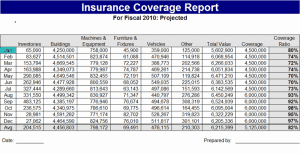
The primary insurance coverage report template is engineered to give an all-in-one snapshot of an active insurance claim and its associated policy limits. It features structured headers that prominently display the policyholder’s identity, policy number, coverage period, and adjuster details. By organizing foundational metadata at the top, claims handlers can rapidly index files and ensure all legal documentation requirements are satisfied before diving into loss calculations.
Below the administrative headers, the layout provides an organized table for financial auditing and damage assessments. Evaluators can input total insured values, itemized damage costs, applicable deductibles, and any outstanding premium balances. Built-in logic fields subtract deductibles and unpaid premiums from the overall estimate, providing a clear, transparent net compensation figure that minimizes payout disputes between the insurer and the policyholder.

Detailed Loss & Property Damage Assessment Template
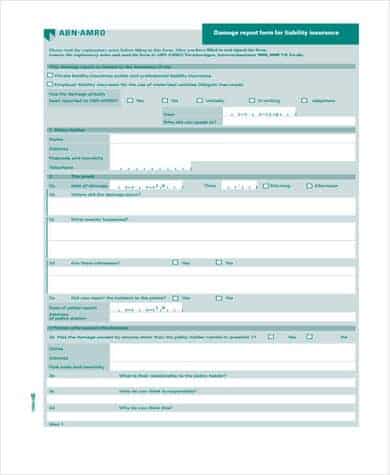
The second template focuses specifically on granular damage reporting, making it ideal for property loss evaluators, field adjusters, and business continuity managers. It replaces generic summaries with line-item breakdowns, enabling users to log individual affected assets, their pre-loss physical condition, and current market values. Columns are pre-formatted to calculate labor expenses, material costs, and total repair quotes side-by-side for maximum visual clarity.
In addition to asset-level financial tracking, this layout incorporates dedicated space for operational notes and supporting evidence references. Evaluators can document specific incident causes—such as fire, water, or structural failure—while indexing attached repair estimates, police logs, and photographic evidence. This thorough line-item approach provides the rigorous documentation needed to survive strict audit processes and corporate risk reviews.
Commercial Policy & Claims Status Tracking Template
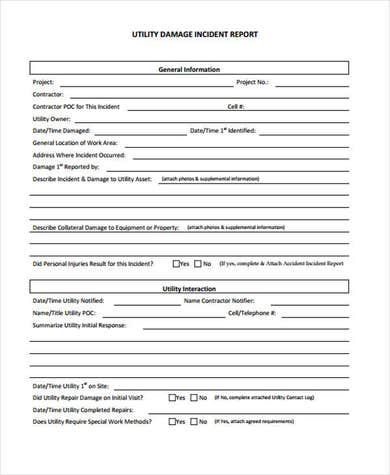
Designed for corporate risk managers and agency administrators, the third template offers a macro-level tracking dashboard for managing multiple insurance claims or policy lines simultaneously. It organizes ongoing claims into tabular rows that display claim status updates, filing dates, assigned adjusters, and pending settlement deadlines. This high-level visibility ensures that corporate finance teams and agency supervisors can monitor claim lifecycles without opening individual case files.
The secondary section of this template emphasizes premium tracking and schedule compliance. It details total premium obligations, periodic installment dates, paid amounts, and upcoming due balances across various commercial policies. By linking claim eligibility with active premium standing, this template helps companies avoid unexpected coverage denials due to missed payments or lapse-of-policy oversights.
Frequently Asked Questions (FAQs)
What software formats are best for an insurance coverage report?
Microsoft Excel is recommended for reports that involve detailed calculations, itemized damage costs, and financial totals. Microsoft Word or PDF formats work best when the report requires extensive narrative descriptions of the incident.
Who is responsible for completing an insurance coverage report?
Typically, an authorized insurance evaluator, independent claims adjuster, or risk management specialist completes the report. However, policyholders can also use the template to maintain an independent record of losses for comparison.
Can this report template be used for commercial and personal insurance?
Yes. The core structure—covering policy details, damage assessment, and payout calculations—applies to both commercial policy assessments (such as equipment or liability claims) and personal coverage (such as homeowners or auto claims).
What happens if there are outstanding premium payments at the time of a claim?
In most cases, the insurer deducts any unpaid premium installments from the calculated total compensation amount before disbursing the final settlement.


![17 Printable Research Report Templates [PDF & WORD]](https://www.reportsexcel.com/wp-content/uploads/2025/09/research-report.png)
You must be logged in to post a comment.